

Abstract Submissions
LearnAdvocate
Transform
Lead
Connect
Who Can Apply?
Submissions are welcome from students currently enrolled in a Canadian nursing program, including:
Bachelor of Science in Nursing (BScN/RN)
Practical Nursing (PN/LPN/RPN in Ontario)
Registered Psychiatric Nursing (RPN)
Other recognized nursing education pathways
Applicants will be asked to identify their CNSA membership affiliation, including whether they attend a school with an active CNSA Chapter, hold a Friends of CNSA membership, or are not currently affiliated with CNSA.
Showcase Your Research. Share Your Ideas. Help Shape the Future of Nursing.
The Canadian Nursing Students' Association (CNSA) invites nursing students across Canada to submit their original research, scholarly projects, and evidence-informed initiatives for consideration at our 55th Anniversary National Conference, taking place January 27–30, 2027, at the Fairmont Château Laurier in Ottawa, Ontario.
Under the theme "Where the Hill Meets the Bedside: Community, Advocacy and Frontline Care," we welcome submissions that advance nursing educat
Submission Deadline: [INSERT DEADLINE]
Conference Dates: January 27–30, 2027
Location: Fairmont Château Laurier, Ottawa, Ontario
Conference Research Subthemes
The CNSA 2027 National Conference, "Where the Hill Meets the Bedside: Community, Advocacy and Frontline Care," explores how nursing students can contribute to meaningful change in nursing education, the profession, healthcare policy, and frontline care.
To reflect these priorities, the conference features four research subthemes, each highlighting a different dimension of nursing advocacy, leadership, and innovation.
Applicants must select the ONE subtheme that best aligns with their research, scholarly project, or evidence-informed initiative. Research does not need to focus exclusively on advocacy; however, submissions should demonstrate how their work contributes to advancing nursing knowledge, improving healthcare, or supporting the future of the profession.
Advocacy in Education: Finding Your Voice
This subtheme focuses on the experiences, challenges, and opportunities that shape nursing education across Canada. It recognizes that nursing students have an important role in identifying barriers, improving learning environments, and advocating for educational experiences that prepare them for safe, competent, and compassionate practice.
Research may explore clinical placement experiences, simulation-based learning, student mental health and well-being, educational accessibility, mentorship, curriculum development, equity and inclusion, or innovative teaching approaches.
The central question: How can nursing students help shape more accessible, equitable, supportive, and effective nursing education
Advocacy in the Profession: Shaping Our Future
This subtheme examines the evolving nursing profession and the role of nursing students and new graduates in shaping its future. As healthcare systems face workforce shortages, changing patient needs, and increasing demands on healthcare professionals, understanding the experiences and perspectives of future nurses is essential.
Research may address nursing workforce sustainability, recruitment and retention, transition from student to professional practice, professional identity, leadership development, workplace conditions, licensure challenges, interprofessional collaboration, or innovations in nursing practice.
The central question: How can nursing students and emerging professionals contribute to building a stronger, more sustainable, and better-supported nursing workforce?
Advocacy in Action: Turning Voices into Change
This subtheme focuses on translating research, advocacy, and innovative ideas into meaningful improvements in patient care, community health, and healthcare delivery. It emphasizes the practical impact of nursing initiatives and the importance of turning evidence and lived experiences into action.
Research may highlight community-based healthcare initiatives, quality improvement projects, patient safety interventions, harm reduction, health promotion, culturally safe care, Indigenous health, healthcare accessibility, or innovative approaches to addressing health inequities.
Submissions may also explore partnerships between nursing students, healthcare professionals, and communities that lead to improvements in care delivery, health outcomes, or patient experiences.
The central question: How can nursing students translate research, knowledge, and advocacy into meaningful improvements for patients, communities, and healthcare systems?
We recognize that nursing research often intersects multiple areas of education, professional practice, policy, and patient care. Your project may relate to more than one subtheme, and that is completely acceptable.
Applicants should select the subtheme that most closely reflects the primary purpose, findings, or intended impact of their work.
As part of the submission process, applicants must provide a 100–250-word explanation describing how their research or project aligns with their selected subtheme. This explanation should highlight the relevance of their work to nursing students, nursing practice, healthcare communities, or the future of nursing in Canada.
The CNSA Research Committee will consider the selected subtheme and accompanying explanation as part of the abstract review process.
Advocacy at the Table: Strengthening Our Collective Voice
This subtheme highlights the importance of nursing student participation in the decisions, policies, and systems that shape healthcare in Canada. It recognizes that meaningful representation goes beyond having a voice; it involves ensuring that student perspectives are considered in leadership, governance, and decision-making processes.
Research may explore healthcare policy, nursing regulation, student representation, professional associations, nursing unions, health equity, systemic barriers, healthcare funding, or the influence of collective advocacy on healthcare decisions.
Submissions may also examine how nursing students can collaborate with healthcare leaders, policymakers, professional organizations, and communities to influence meaningful change.
The central question: How can nursing students strengthen their collective voice and influence the decisions that shape nursing and healthcare in Canada?
Selecting Your Research Subtheme

Abstract Submission Requirements
All submissions must meet the following criteria:
Maximum length: 300 words, excluding the title and references.
Languages: English or French.
Accepted formats: PDF, DOC, or DOCX.
Research status: Completed and ongoing research are both welcome.
Originality: Submissions must represent the applicant's original work or a meaningful contribution to a collaborative project.
Relevance: Submissions must demonstrate relevance to nursing education, practice, advocacy, or healthcare in Canada.
Confidentiality: Do not include names, institutions, or other identifying information in the abstract document to support an impartial review process.
Contributors: All contributors must be appropriately acknowledged, and necessary permissions must be obtained.
Required Abstract Structure
Your abstract must include:
Background/Introduction: Describe the issue, context, or problem being addressed.
Objective/Purpose: Explain the purpose of your research or project.
Methods/Approach: Outline your methodology, research design, or project approach.
Results/Findings: Summarize your findings, preliminary results, or anticipated outcomes.
Conclusion/Implications: Explain the significance of your work for nursing students, nursing education, nursing practice, or healthcare in Canada.
Presentation Opportunities
Applicants may indicate their preferred presentation format:
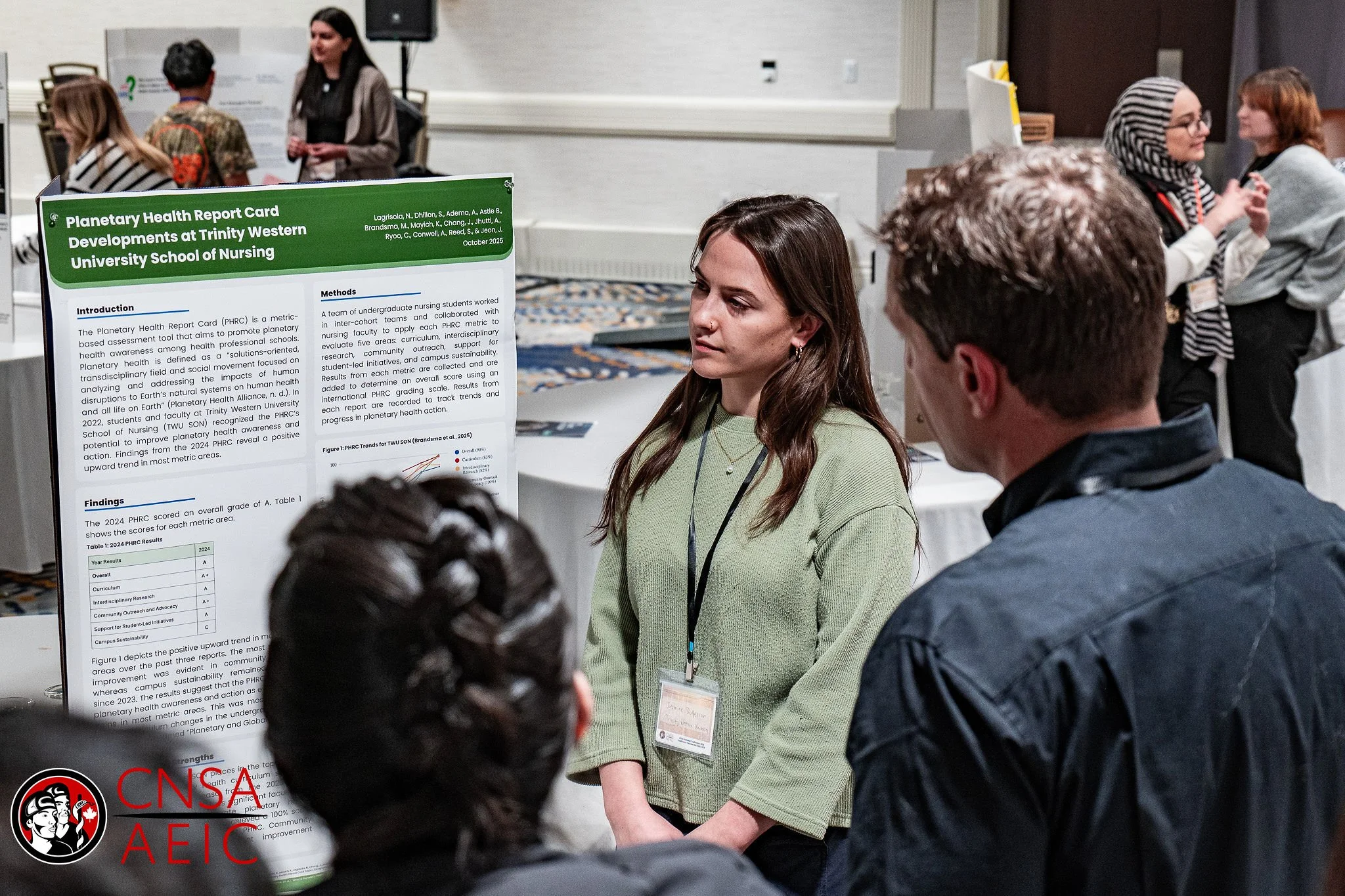
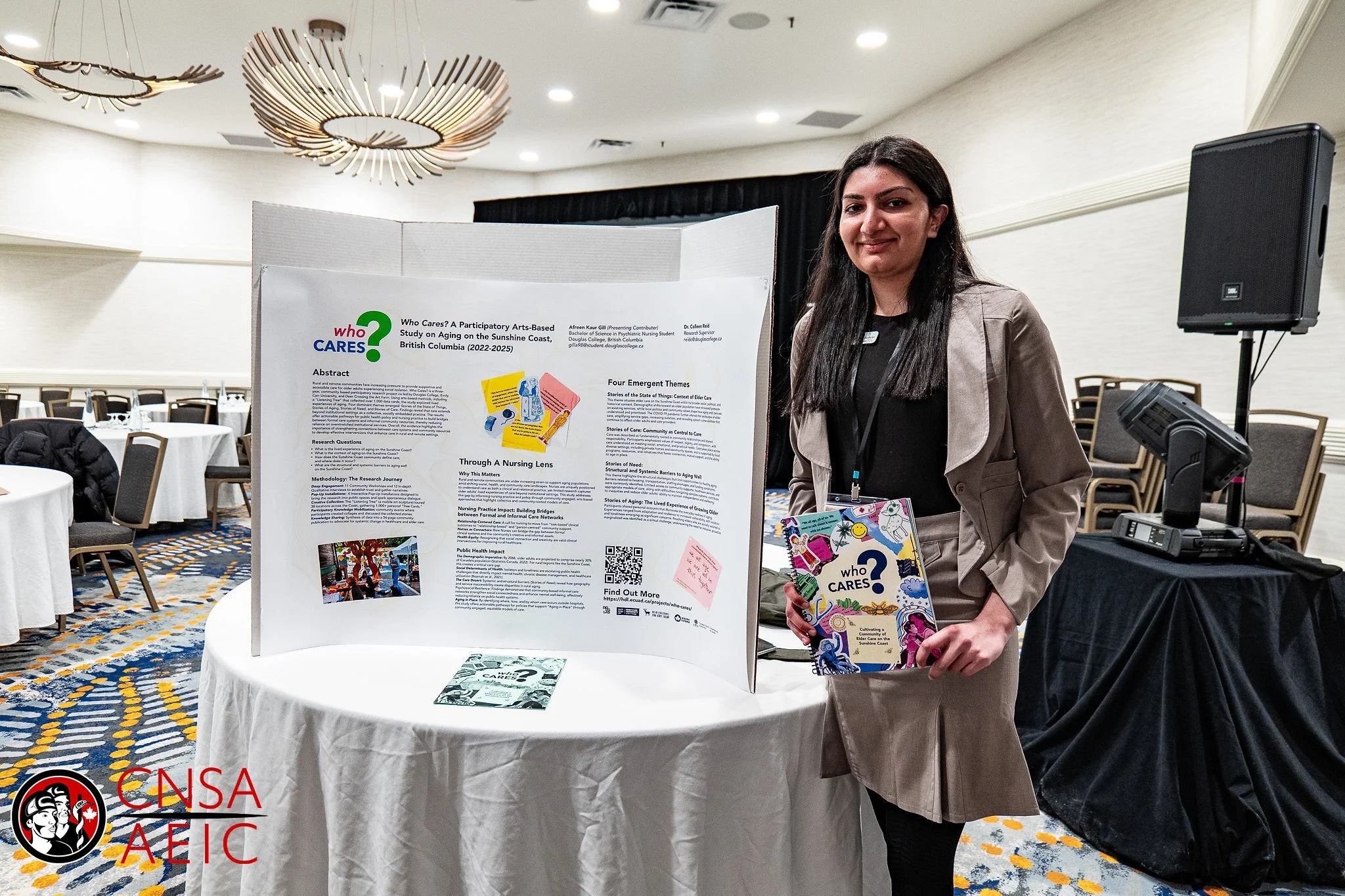
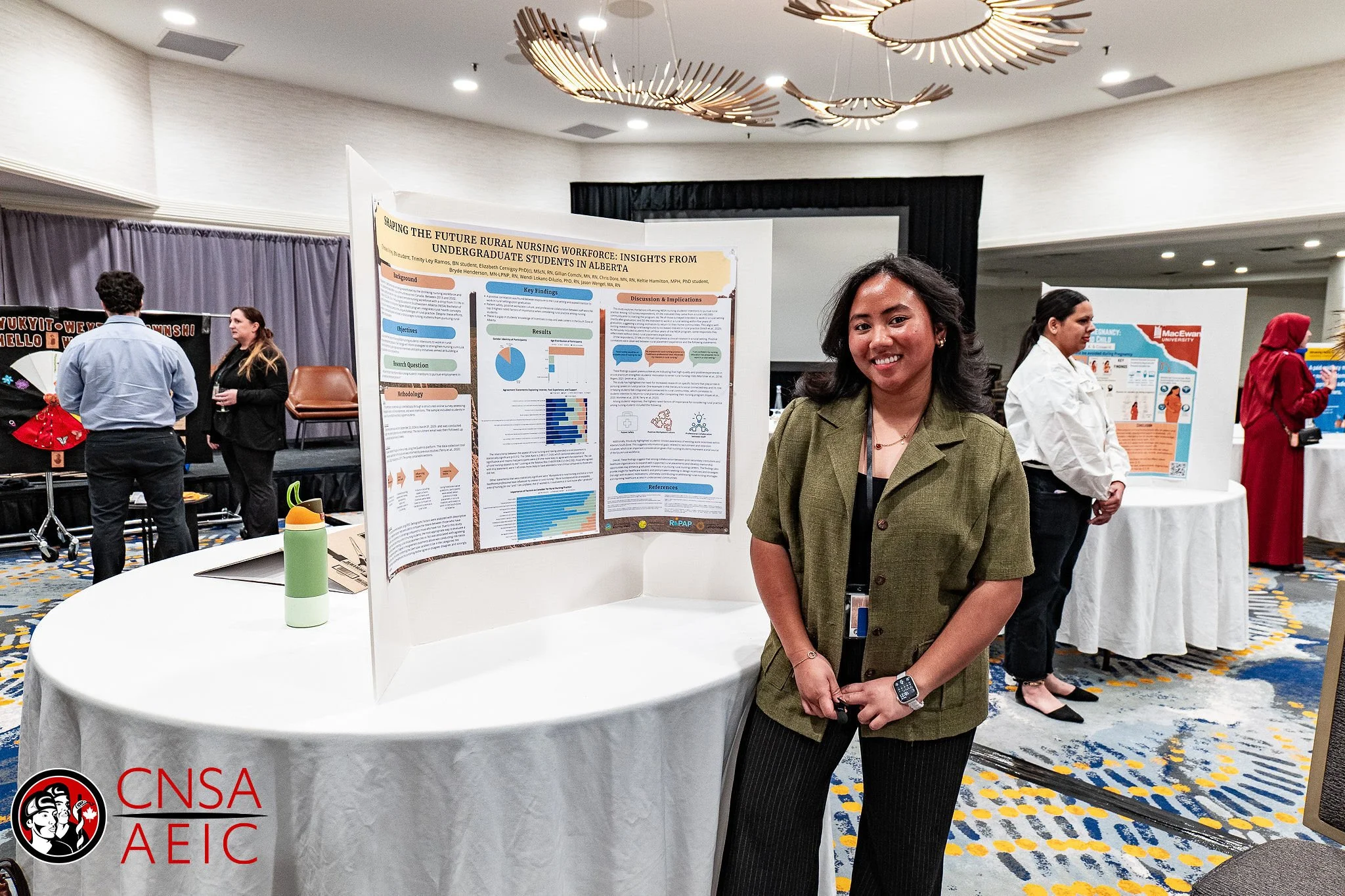
Poster Presentation: Present your research through a visual poster.
Oral Presentation: Share your work through a formal presentation.
No Preference: Allow the Research Committee to determine the most appropriate format.
The CNSA Research Committee will determine the final presentation format based on the review process, available spaces, and conference programming.
Applicants selected for an oral presentation must attend the CNSA National Conference in Ottawa to present their work. Presenters are responsible for completing their conference registration. Abstract acceptance does not include complimentary conference registration, travel, or accommodation.
Frequently Asked Questions
-
Yes. Both completed and ongoing research projects are eligible. Preliminary findings or anticipated outcomes may be included.
-
Yes! CNSA welcomes submissions in English or French.
-
No! Research does not need to focus directly on advocacy. All research related to nursing education, clinical practice, healthcare delivery, student experiences, leadership, community health, and other areas of nursing is eligible.
For example, research focused on a specific area of nursing, such as maternal health, pediatrics, cardiology, mental health, oncology, or critical care, is absolutely welcome!
Advocacy takes many forms, including advancing nursing knowledge, improving clinical practice, promoting evidence-based care, and improving patient outcomes.
Applicants simply need to select the conference subtheme that best aligns with their work and explain its relevance to nursing or healthcare in Canada.
-
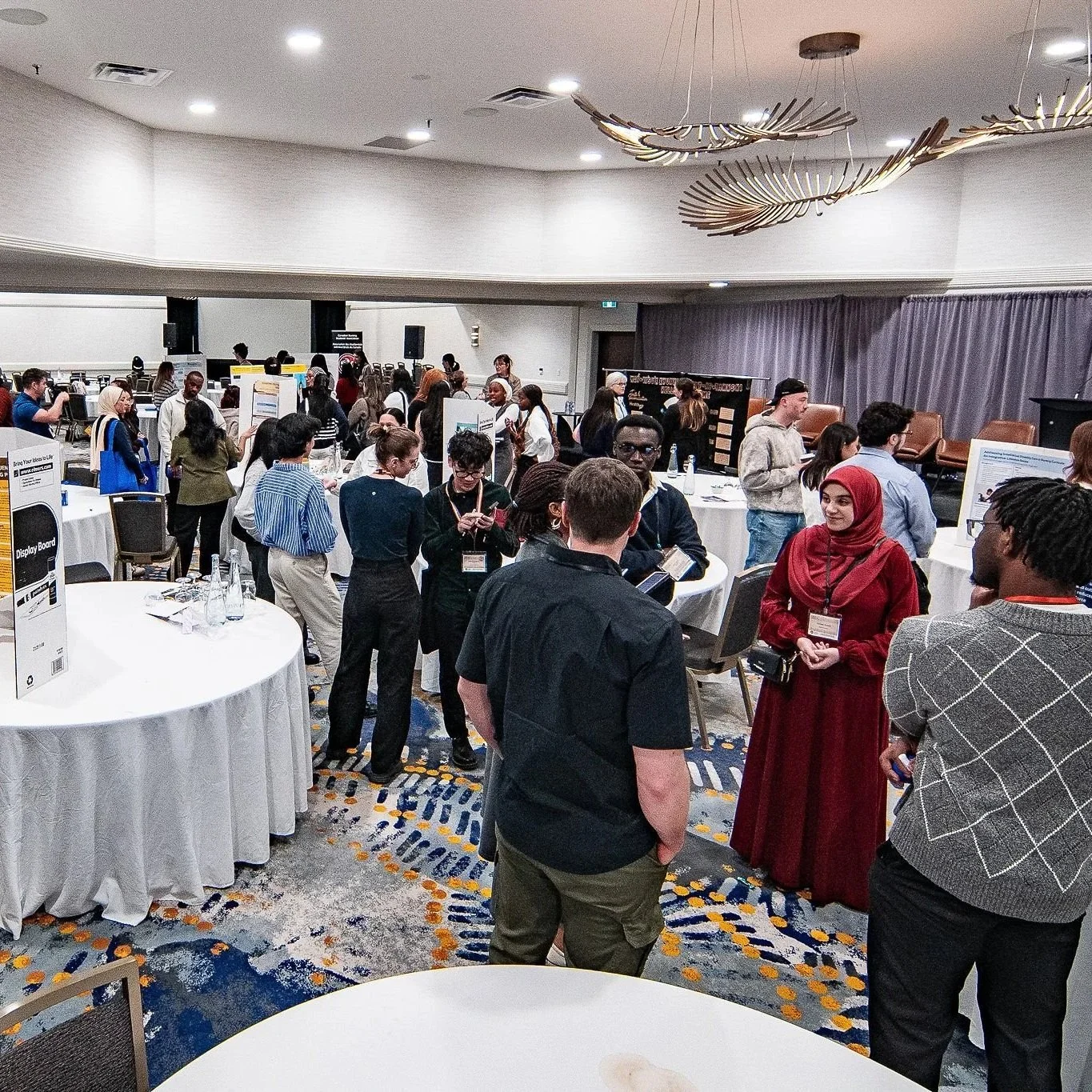
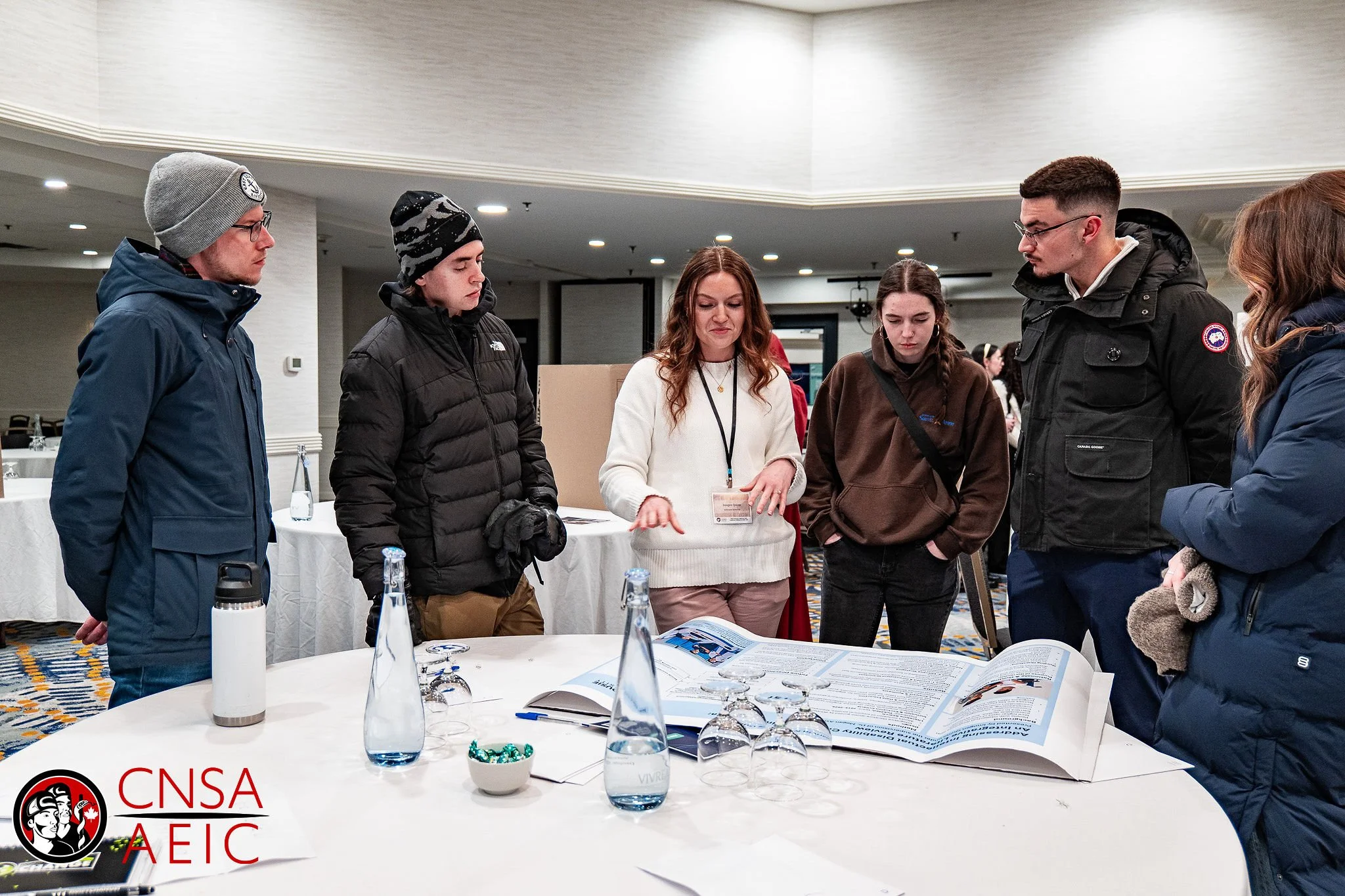
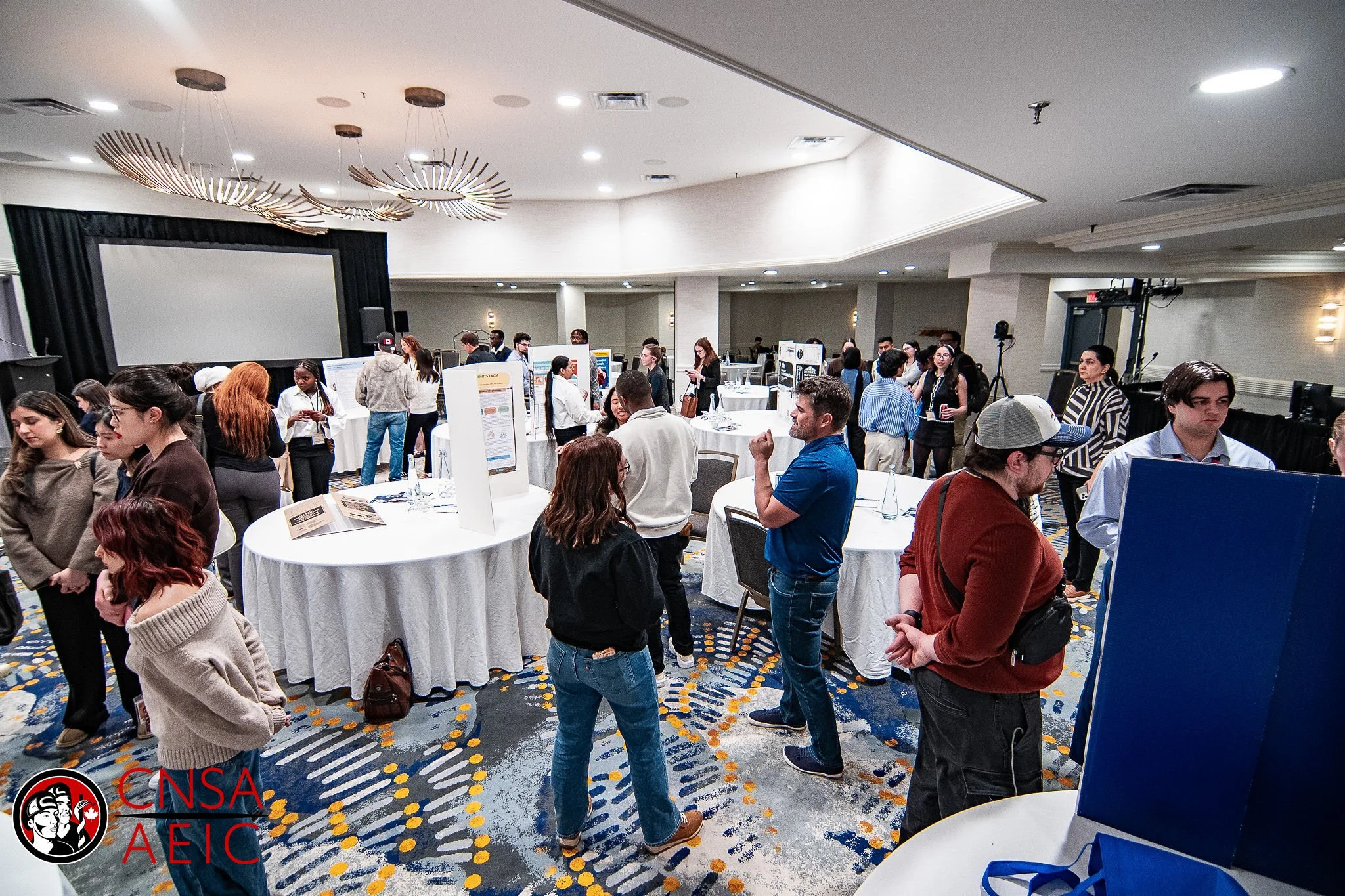
All accepted oral and poster presentations will take place during the CNSA Research & Wine Social on Thursday, January 28, 2027, from 5:00–7:30 PM EST, at the Fairmont Château Laurier in Ottawa, Ontario.
Poster Display Schedule
Accepted research posters will be displayed at the conference venue from Wednesday, January 27, through Thursday, January 28, 2027. Posters will remain on display throughout both conference days, including during the CNSA Research & Wine Social. The display period will conclude at 7:30 PM EST on January 28.
Oral Presentation Schedule
The duration and individual presentation times for oral presentations will be confirmed following the abstract selection process, based on the number of accepted presenters. Successful applicants will receive their assigned presentation times and further instructions in advance of the conference.
Presenter Attendance Requirements
All selected presenters must be available in person on Thursday, January 28, from 5:00–7:30 PM EST. Specific presentation schedules, poster setup and removal instructions, and formatting requirements will be communicated following abstract acceptance.
-
Yes! Applicants may submit a maximum of two (2) abstracts per person. Each abstract must be submitted separately and meet all CNSA submission requirements.
Each abstract must identify one (1) first author, who will serve as the designated presenter if accepted. Co-authors and collaborators may be acknowledged, but only the designated first author will present the work at the conference.
All abstracts will be reviewed individually by the CNSA Research Committee, and submission does not guarantee acceptance.
-
CNSA membership is not required at the time of abstract submission. However, applicants whose abstracts are accepted will be required to hold an active CNSA membership to participate as presenters at the conference.
Further information regarding membership requirements and next steps will be provided to successful applicants following the selection process.
-
Abstract acceptance does not automatically include complimentary conference registration, travel, or accommodation. Presenters are responsible for their own registration and associated expenses.
However, limited funding may be available to assist with poster printing costs for accepted poster presentations. Further details regarding eligibility, availability, and the application process will be communicated to successful applicants following the selection process.
-
Item description
Ready to Submit Your Research?
We look forward to highlighting the research, innovation, and contributions of Canada's future nursing professionals!
Questions? Email research@cnsa.ca