Director of Indigenous Health Advocacy Candidates
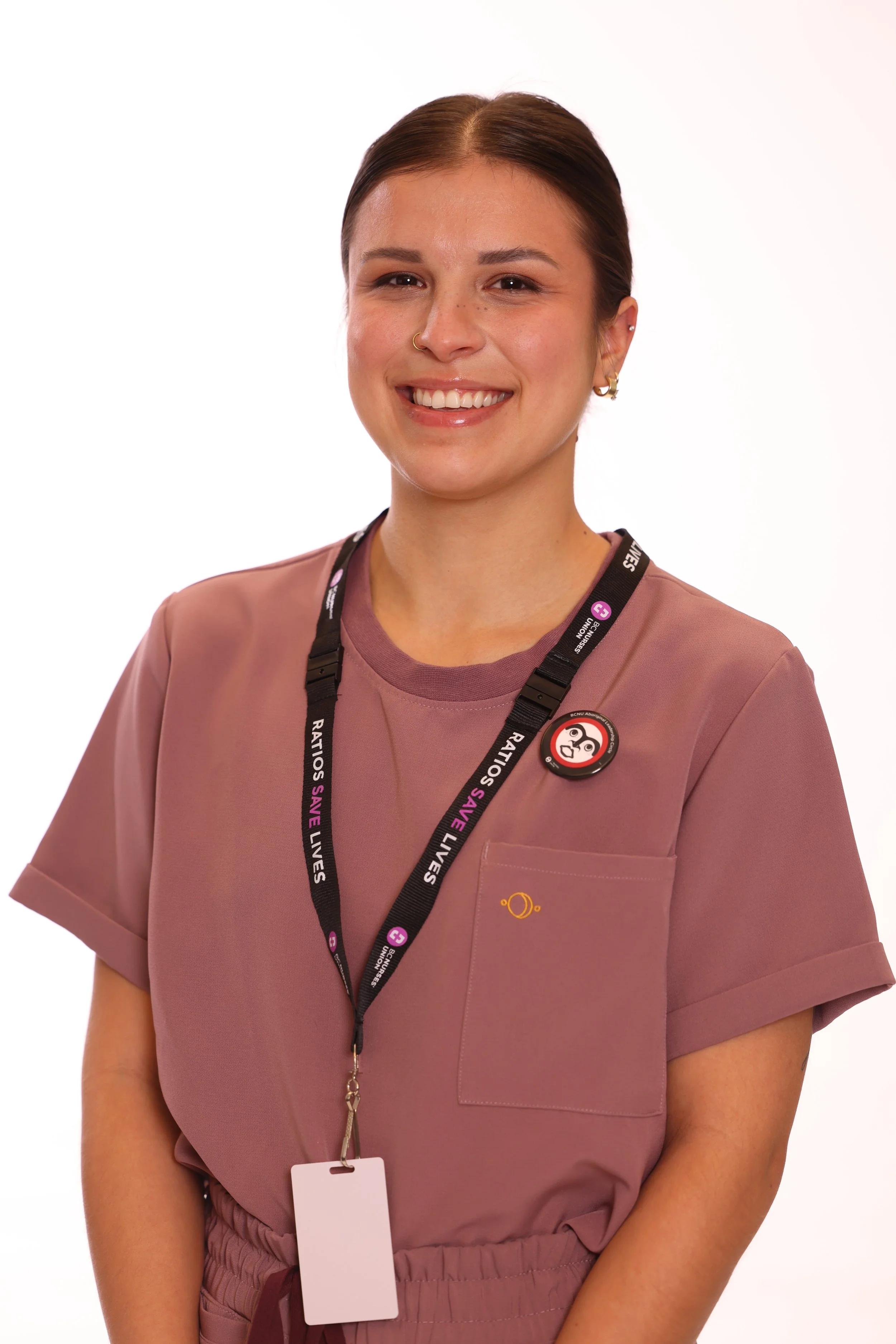
Alicia Pongracz
Selkirk College
-
I am Haida and Hungarian woman. I was born and raised away from my Indigenous community of Old Massett as a guest on the traditional and unceded territories of the Sinixt, the Sylix, the Ktunaxa, and the Secwepemec peoples with the colonial name of Castlegar, British Columbia. I am a third year BSN student studying at Selkirk College in affiliation with the University of Victoria. While I have grown up away from my traditions I have been very grateful to have had many teachings from elders in my community ranging from Cree, Métis, Inuit, and many different First Nations cultures. The privilege of having so many different cultures, languages, and traditions shared with me growing up has provided a deep appreciation for the differences between each Indigenous community and traditions. While many cultures and communities share the same values and beliefs, there are many differences in traditional stories shared, medicines used, and languages spoken. I grew up very actively involved in Indigenous programs and community activities. I have continued to be involved in my community through outreach work and cultural programs. I am a BCNU student representative. I was previously elected and served as the CNSA OD at Selkirk before transitioning after being elected to the CNSA Indigenous Caucus Chair. Additionally, I am currently involved in various health committees in my region as an Indigenous student representative. My lived experiences, cross-cultural teachings, volunteer and work experience, previous leadership roles and passion for allyship and advocacy to support reconciliation in nursing and Indigenous health will help me navigate the role of DIHA.
-
I would support Indigenous knowledge, ways of knowing and being, and community through cultural humility to ensure cultural safety. Given the boards restructuring, I hope to use the student interest groups to support relational accountability and reconciliation efforts by honouring Indigenous voices and lived experiences. The practice of humility helps ensure any identified gaps or areas needing support are guided by Indigenous Elders, knowledge keepers, leaders, nurses and nursing students. This approach helps ensure that all my efforts are efforts for all. My lived experience has given me great insight and appreciate for the difference between each individual, each community, and each culture. While there are many differences and traditions to be respected, we are all related. We are all connected. I hope to bring this into my work as DIHA and into the CNSA as a whole.
-
Through my student leadership roles I have been able to foster many relationships grounded in respect and reciprocity with Indigenous students, nurses, leaders, and Elders. Building relationships with students, nurses, and nursing leaders through my time as indigenous caucus chair has been achieved through an approach that honours Indigneous knowledge and understanding. A traditional teaching that helps guide my approach is that creator gave us two ears and one mouth. This teaching reminds us that communication is relational, not transactional. When we listen with both ears—open, patient, and without interruption—we create space for trust, safety, and understanding. In Indigenous ways of knowing, connection is built through presence, silence, and attentiveness, not through speaking the most or the loudest. Listening communicates respect, humility, and care, especially in relationships where power imbalances or historical harms exist. When people feel genuinely heard, connection deepens. Their stories, priorities, and knowledge are honoured, which strengthens relationships and accountability. Communication guided by listening leads to true connection. It transforms conversations into relationships, supports cultural safety, and ensures that voices are not only heard, but valued and carried forward with respect.
-
If the CNSA were planning a national event that includes Indigenous content, my first step would be to connect with Indigenous peoples and organizations from the territory where the event is taking place. As a guest on that land, it is essential that local Nations guide how their culture, protocols, and knowledge are shared. My own experiences and teachings have shown me that Indigenous traditions, medicines, and ways of knowing are distinct, and what is appropriate in one community may not be appropriate in another. I would prioritize early and ongoing engagement with local Elders, Knowledge Holders, and Indigenous students, ensuring they are involved in planning, decision-making, and implementation—not consulted after decisions are made. This includes appropriately resourcing and compensating their time and knowledge. I would also advocate for Indigenous-led components within the event, rather than pan-Indigenous or symbolic content. Throughout the process, I would approach the work with humility, listening more than speaking, and remaining accountable to community guidance. This ensures engagement is grounded in genuine partnership, cultural safety, and respect, rather than performative inclusion.