
Ontario Regional Director Candidates
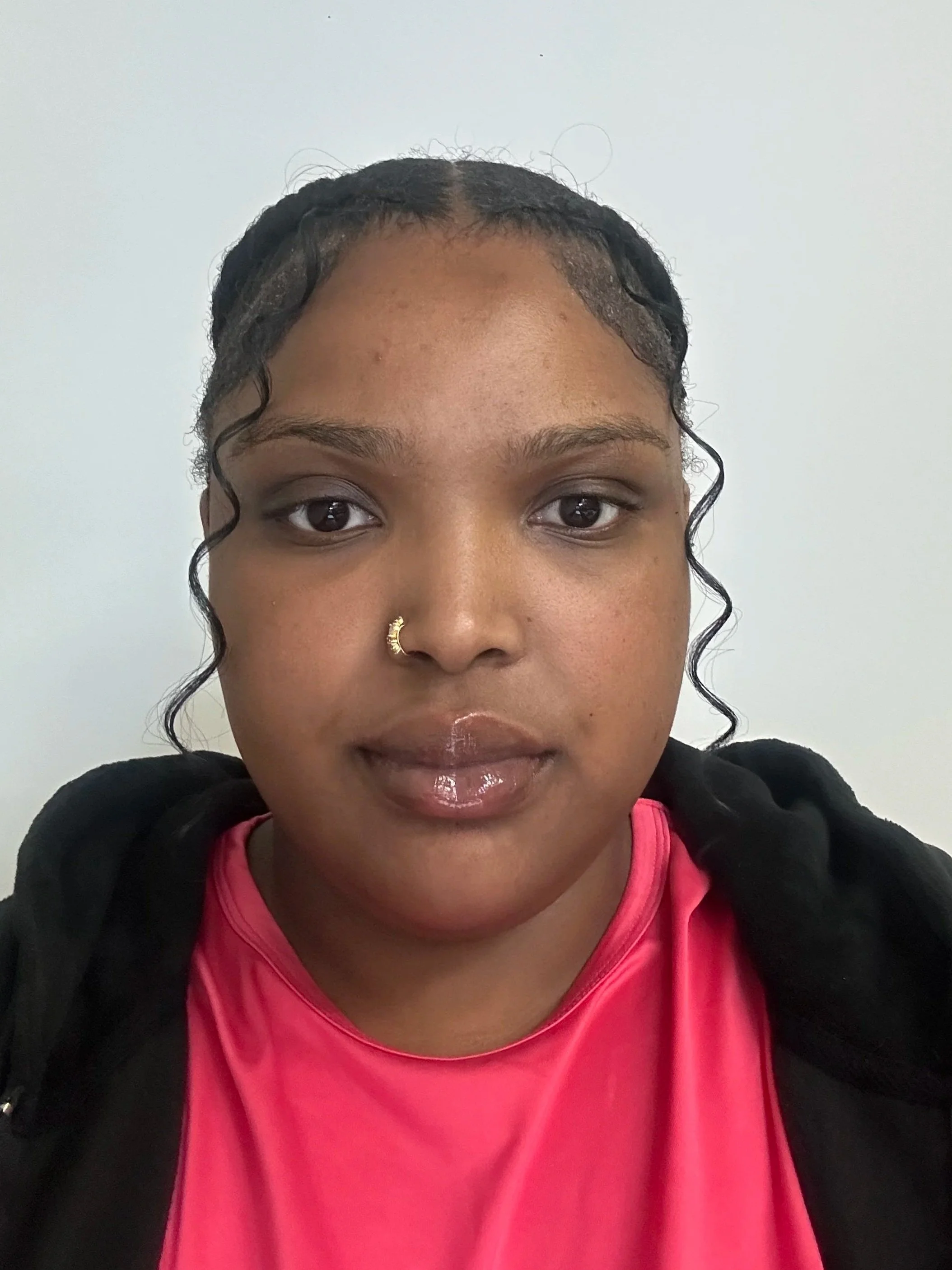
Sweeny Oliha
George Brown/ Toronto Metropolitan University
-
My name is Sweeny Oliha, and I am a nursing student who is passionate about leadership, advocacy, and building strong connections within the nursing student community. My leadership approach is rooted in service, collaboration, and clear communication. I believe in leading by listening, creating inclusive spaces, and ensuring that students feel supported, valued, and represented.
I currently serve as a BScN Year 1 Representative at George Brown College for the 2025–2026 academic year, where I represent student concerns and support peer engagement within the nursing student community. Through this role, I have gained hands-on experience in advocacy, communication, and collaboration while working with fellow student leaders and nursing students across my program.
Through my leadership experiences, I have worked closely with peers and faculty to support engagement, coordination, and problem solving. These roles have strengthened my ability to communicate effectively, organize initiatives, and represent student concerns with confidence and professionalism. I am comfortable facilitating meetings, maintaining consistent communication, and supporting teams in working toward shared goals.
As a first generation student from a diverse background, I understand the importance of representation and equity in nursing leadership. This perspective shapes how I lead and advocate, with empathy, accountability, and respect.
I am interested in serving as Ontario Regional Director because I believe in the power of collective advocacy. I am eager to strengthen relationships between CNSA and Ontario chapter schools, elevate regional student voices at the national level, and contribute meaningfully to the mission and work of CNSA. -
To engage and support chapter schools across Ontario, I would prioritize clear, consistent, and accessible communication. I would establish regular touchpoints with chapter representatives through scheduled check-ins, shared communication channels, and timely updates so chapters feel informed rather than reactive.
I would support strong participation in CNSA initiatives by actively listening to chapter needs, identifying common challenges, and sharing relevant resources, best practices, and opportunities in a way that feels practical and manageable for students. I believe engagement increases when chapters feel seen, supported, and confident in their roles.
I would also encourage participation by hosting regional meetings and orientations that are welcoming, organized, and purposeful, creating space for questions, collaboration, and peer connection. I would work to ensure that both larger and smaller chapters feel equally supported and included.
Most importantly, I would serve as a reliable point of contact, following through on communication, advocating for regional concerns at the national level, and building trusting relationships so chapter schools feel comfortable reaching out, staying engaged, and contributing to CNSA’s work. -
To build and maintain relationships with professional organizations, unions, and student groups across Ontario, I would approach engagement with respect, consistency, and clear purpose. I believe strong relationships begin with listening, understanding shared goals, and identifying where collaboration can be mutually beneficial.
I would initiate connections through introductions, meetings, and participation in relevant events, while clearly communicating the role of CNSA and the value of student involvement. I would seek opportunities for collaboration that support advocacy, professional development, and student representation, ensuring partnerships feel meaningful rather than transactional.
Maintaining these relationships would be rooted in consistent communication and follow-through. I would provide updates on CNSA initiatives, share student perspectives when appropriate, and ensure organizations feel informed and appreciated for their involvement. I would also encourage ongoing dialogue so partnerships remain responsive to changing student needs.
By being reliable, organized, and intentional in my outreach, I would work to build trust, strengthen collaboration, and create long-term relationships that positively support nursing students and CNSA’s mission across the region. -
To stay organized and accountable while balancing academic commitments, I rely on structure, planning, and clear prioritization. I use digital calendars and task-management tools to track meetings, deadlines, and reporting requirements, allowing me to plan ahead and avoid last-minute conflicts with academic responsibilities.
I break larger responsibilities, such as reports and regional initiatives, into smaller, manageable tasks and set personal deadlines in advance of official ones. This approach helps me stay consistent and reduces stress during academically demanding periods such as exams or clinical placements.
I also believe accountability comes from communication. I am proactive about setting expectations, providing updates, and asking for support or clarification when needed. If academic demands temporarily increase, I plan ahead and adjust my schedule without compromising the quality of my commitments.
Having balanced leadership roles alongside coursework, I understand the importance of time management, follow-through, and self-discipline. By staying organized, communicating clearly, and maintaining realistic routines, I am confident in my ability to meet the responsibilities of a Regional Director while succeeding academically.

Alexandra “Alex” Mulrooney
St. Lawrence College
-
My name is Alex Mulrooney and I am a third year BScN student attending St. Lawrence College. Prior to my post secondary education career I was actively involved in a variety of events and organizations over my four years during my High School education. I have held different positions on student council, organized and facilitated volunteer opportunities and events, participated in a musical production, and was a member of the soccer team. I volunteered to lead a planning committee to ensure the grade 12 students would have the opportunity to enjoy a prom which included venue sourcing, budgeting, designing and selling tickets, sourced out decorations, entertainment and executing a successful event. I have been a part of the NSS since my first year of my nursing degree holding the Vice President role for 2 terms, the CNSA Official Delegate for 2 terms and I am the current President. I have been a part of planning events, connecting students to the CNSA and working with partners and organizations to make our ideas come to fruition. I am very passionate about having students' voices heard and implementing events to enhance the nursing school experience. Upon reflection, I have acquired valuable skills such as the importance of inclusion, time management, organization, determination and perseverance which will provide me with the foundation of skills to be successful in this position. My leadership approach is transformational and democratic to include team input and inspire visions. My intention is to create an environment where we can work collaboratively as a team and individuals are able to bring their concerns and ideas forward to take into consideration and create change as needed.
-
I believe and value open and effective communication as the key to all successful professional relationships. It is very important that everyone experiences connection, support and engagement which I would implement if elected for this position. I would build and facilitate a clear communication initiative, inclusive collaboration and follow through to ensure strong participation within the CNSA. In order to implement this I would establish a mode of communication consisting of a regional email list, shared calendar, and a delegate group chat. Synchronous meetings would be held in order to share updates, touch base and ensure the chapter schools are informed without feeling overwhelmed. Overall I would encourage active involvement by clearly connecting the CNSA initiatives to student benefits such as leadership development, advocacy and professional networking.
-
I would build and maintain strong foundational relationships with professional organizations, unions or student groups by prioritizing communication, respect, knowledge, involvement and common goals centred on nursing student's needs. I would seek opportunities to partner on initiatives such as advocacy campaigns, policy discussions, wellness, leadership development and more. By actively listening to their priorities and identifying needs, interests creating partnerships can be meaningful and mutually beneficial. Maintaining these relationships will take communication, reliability and follow through which is something I plan on doing if elected. I would represent the CNSA professionally and ensure the nursing student's voices are consistently heard and included. Overall I want to bridge the connections between professional organizations and local chapters.
-
To manage reporting and meeting responsibilities, I would stay organized and accountable as I complete my nursing degree through structured planning, time management, prioritization and effective communication. I currently utilize a spreadsheet to lay out my academic tasks and would add in CNSA meetings, deadlines, events and create a to-do list. I would block dedicated time each week for Regional Director duties to ensure consistency. I will be held accountable through transparency as I would regularly communicate progress updates to the board, flag potential conflicts and take on tasks I am able to complete.
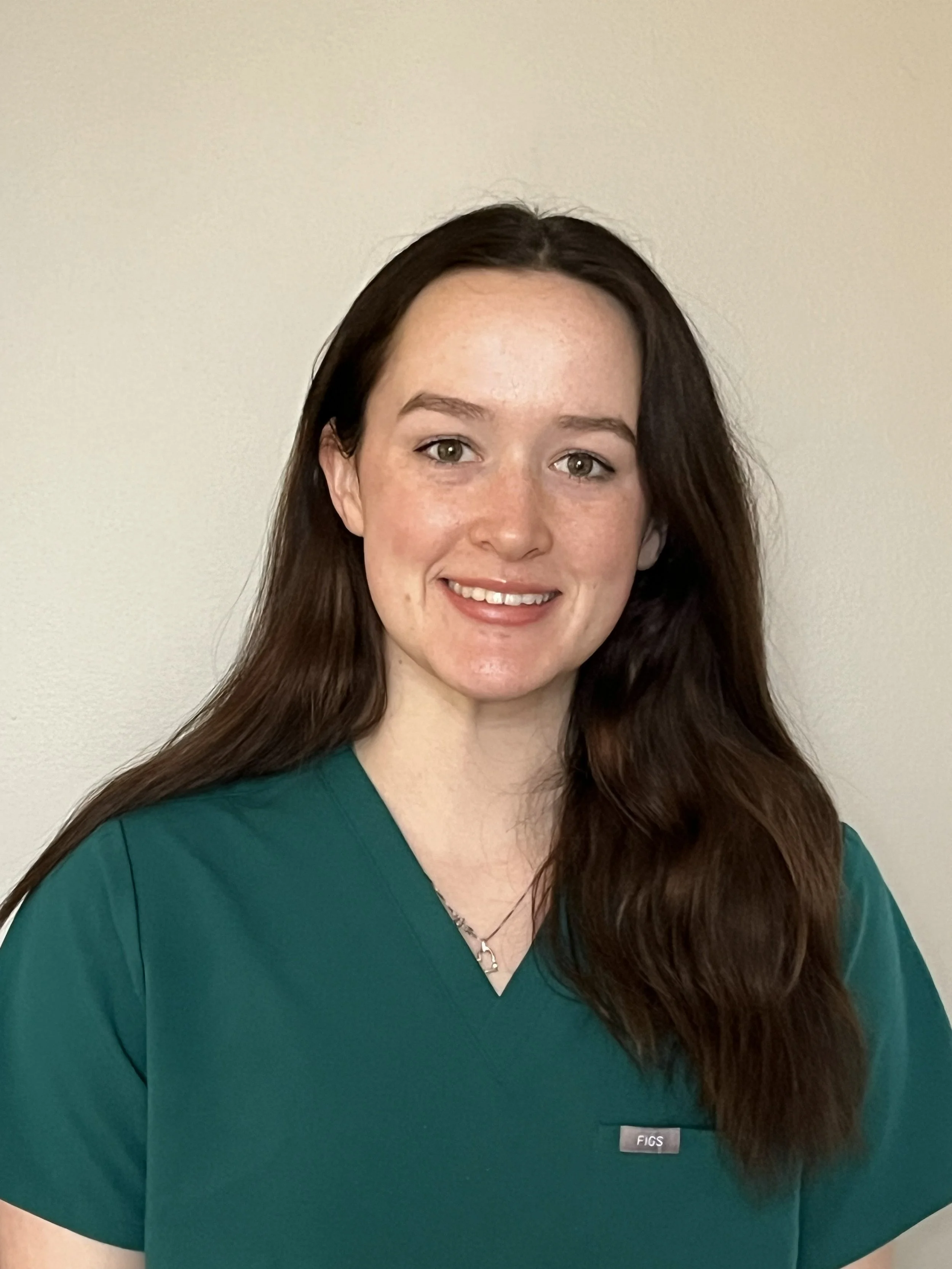
Katherine”Katie” Chapman
Laurentian University
-
Hi! My name is Katie, and I’m a 3rd year BScN student from laurentian University, who is passionate about strengthening the future of nursing through student leadership, advocacy, and meaningful systems change. My leadership approach is collaborative, strengths-based, and action-oriented: I focus on listening first, building trust, and then turning ideas into clear, achievable goals that support both student needs and patient outcomes. My clinical experiences have shaped me into a calm, accountable, and adaptable team member—especially through fast-paced work experience in the Emergency Department and ICU, where communication, prioritization, and professionalism matter. I have also completed numerous clinical placements, which strengthened my ability to provide compassionate, family-centred care while advocating for safety, education, and equitable access to resources. A key perspective I bring is a strong commitment to rural health advocacy. I care deeply about addressing gaps in access, staffing, and continuity of care for rural and remote communities, and I want to help ensure nursing students are part of these conversations at a national level. I’m especially interested in advancing initiatives that support student preparedness, mentorship, and workforce sustainability across Ontario. Serving on the CNSA Board of Directors is an opportunity to represent nursing students with integrity and energy, contribute to national advocacy work, and help create opportunities for students to feel empowered, supported, and heard. I’m excited to bring my clinical insight, strong work ethic, and genuine passion for nursing leadership to this role.
-
To support chapter schools across Ontario, I’d focus on staying consistent, approachable, and easy to reach. I’d start by introducing myself to each chapter exec early on and asking what their school actually needs—what’s working, what isn’t, and what would make it easier for students to get involved. From there, I’d keep communication simple and regular: quick monthly check-ins, clear email updates, and a group chat or shared space where chapters can ask questions, share ideas, and get fast answers. I’d also try to build more connection between schools by spotlighting what different chapters are doing, sharing successful event ideas, and encouraging collaboration instead of everyone working in isolation. Most importantly, I’d bring chapter concerns and suggestions back to CNSA, and then follow up so schools know their input was actually heard and acted on.
-
To build and maintain relationships with professional organizations, unions, and student groups across Ontario, I’d focus on being consistent, respectful, and genuinely helpful—not just reaching out when we need something. I would start by introducing myself early, learning what each group’s priorities are, and finding areas where CNSA and nursing students can support or align with their work. I’d stay connected through regular check-ins, attending events when possible, and keeping communication clear and professional. I’d also make sure relationships feel two-way by sharing student perspectives, bringing forward concerns from Ontario chapters, and following up with updates so partners know their input matters. When opportunities come up—like advocacy campaigns, education sessions, or conferences—I’d look for ways to collaborate that are realistic for students, such as co-hosted events, shared resources, or student reps on committees. I’d also keep an eye on rural health and equity issues in Ontario and work with organizations that are already doing strong work in those areas. Overall, I’d aim to build trust over time by being reliable, organized, and easy to work with.
-
To stay organized and accountable while balancing school, I’d treat the Regional Director role like a real commitment with structure and routines—not something I “fit in” last minute. I would start by mapping out all major CNSA deadlines, meetings, and reporting dates at the beginning of each term and putting them into a calendar with reminders. On a weekly basis, I’d set aside a consistent block of time for CNSA tasks (emails, follow-ups, planning, and documents) so things don’t pile up. I’d also stay accountable by communicating early if conflicts come up, delegating when appropriate, and following through on what I say I’ll do. My clinical experience has taught me how important reliability is, and I’d bring that same mindset to this role—organized, prepared, and respectful of everyone’s time.
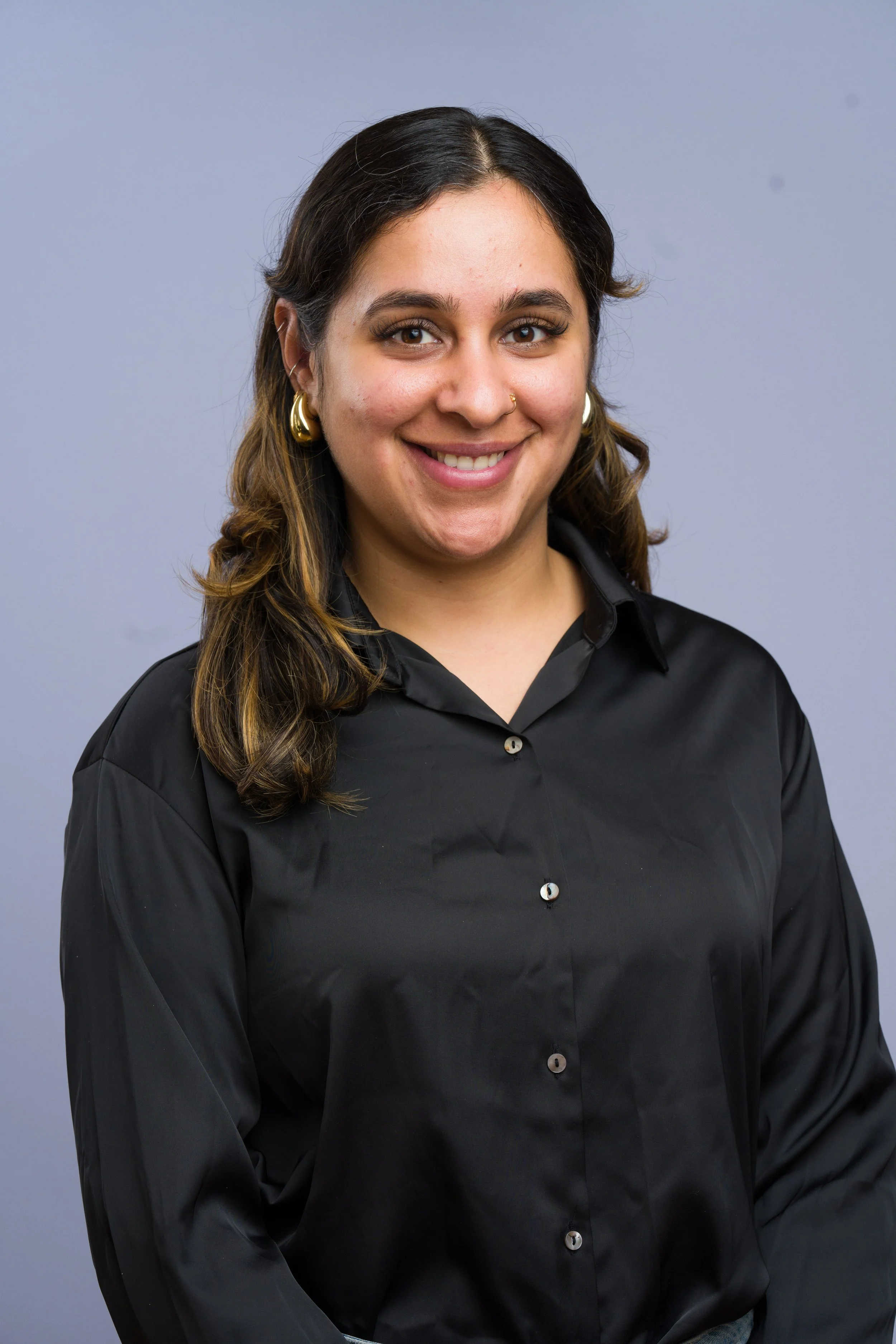
Jasmine Chopra
Western University
-
My name is Jasmine, and I am a nursing student who is passionate about leadership, advocacy, and supporting students in ways that make a real difference. My leadership style is collaborative, organized, and people-centred. I focus on listening, follow-through, and creating spaces where others feel supported and empowered to contribute.
Through my work in the Burn ICU at Sunnybrook Hospital, as a COVID-19 Case Manager with the Ontario Ministry of Health, and as a volunteer coordinator at the Certified Listeners Society, I have developed strong communication, organization, and relationship-building skills. I’ve learned how to manage complex tasks, coordinate with teams, and support people under pressure, all while staying calm and solution-focused.
I’m drawn to the Ontario Regional Director role because I want to help chapter schools feel connected and supported, and to strengthen student engagement across a diverse province. I care about making sure nursing students have a strong voice, access to leadership opportunities, and guidance to navigate both school and professional growth.
Serving as Ontario Regional Director would let me combine my passion for advocacy, organization, and student support while contributing meaningfully to CNSA’s mission. I’m excited about the chance to help chapter leaders, amplify student concerns, and support initiatives that positively impact nursing students across Ontario. -
To ensure consistent communication and participation across Ontario, I would focus on clarity, accessibility, and building genuine connections. I would set up regular check-ins with Official and Associate Delegates through regional meetings, a WhatsApp group, and active engagement on Discord. I’d provide clear agendas, summaries, and reminders so everyone feels informed and included.
I believe engagement improves when students feel supported rather than overwhelmed. I would approach communication as a two-way process, actively inviting feedback and questions, and ensuring concerns are shared with the Board. Hosting orientation sessions or workshops would help delegates understand CNSA’s structure and initiatives, similar to how I trained and coordinated volunteers at the Certified Listeners Society to ensure everyone was confident in their roles.
I would also tailor my approach to each school’s needs, being flexible and mindful of academic pressures. By building trust, maintaining consistent communication, and showing genuine investment in chapter success, I aim to create a collaborative and engaged Ontario region. -
Building strong relationships requires professionalism, respect, and follow-through. I would start by reaching out to nursing organizations, unions, and student groups to understand their priorities and identify areas of shared interest. My experience collaborating with interdisciplinary teams at Sunnybrook and providing mental health support through the Ministry has shown me how listening and clear communication are key to building trust.
Maintaining these relationships means staying consistent, responsive, and transparent. Whether through meetings, emails, or collaborative initiatives, I would make sure partners feel informed and valued. I’ve learned through volunteer coordination and patient support that small gestures, such as timely updates, following up on questions, acknowledging contributions, go a long way in strengthening connections.
As Ontario Regional Director, I would represent CNSA in a professional and approachable way, ensuring partnerships align with our mission and create meaningful opportunities for nursing students. -
I stay organized by being proactive, structured, and realistic about my time. I rely on calendars, task lists, and clear deadlines to manage multiple responsibilities, whether that’s supporting patients in a fast-paced Burn ICU, managing a high-volume case load with the Ministry of Health, or coordinating volunteer teams. Breaking larger tasks into smaller steps helps me stay consistent and avoid last-minute stress.
Accountability is important to me. If I commit to something, I make sure it’s completed or clearly communicated if challenges arise. I’m comfortable asking for support or clarification when needed, which helps me stay on track while maintaining quality.
Balancing academics with leadership requires intention and flexibility. I plan ahead during lighter weeks and adjust during heavier periods while keeping core responsibilities on schedule. This approach has allowed me to stay engaged, reliable, and present in leadership roles without compromising my studies.