
Presidential Candidates
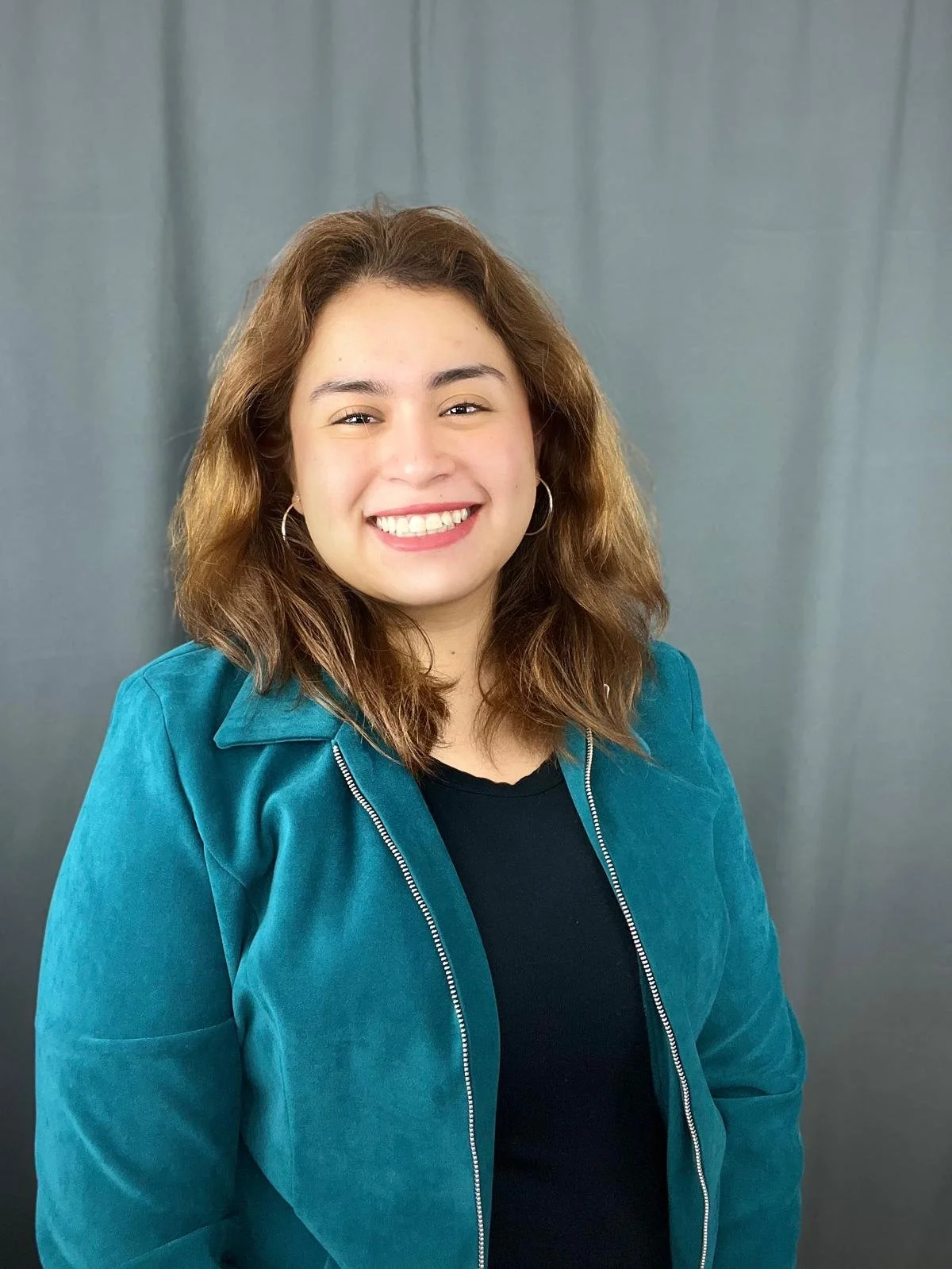
Scarlett Montserrat Sanabria-Ramos
University of Ottawa - Algonquin college
-
I lead with the understanding that student leadership is not symbolic. When students speak, someone must be prepared to carry the responsibility for what happens next.
My name is Scarlett Sanabria-Ramos. I am a third-year Bachelor of Science in Nursing student at the University of Ottawa (Algonquin–Woodroffe stream). I currently serve as Director of Communications for the CNSA, Co-President of the University of Ottawa Esports Association, and as the Student Representative on the CNA Board of Directors. Through these roles, I have had the honor of advocating for nursing students within broad professional and governance spaces.
Across these roles, I have learned that leadership is defined by judgment, credibility, and accountability. Effective advocacy requires more than strong language; it requires making decisions under constraint, managing competing priorities, and following through on commitments that affect real students, real timelines, and real outcomes. I approach leadership with a responsibility to create spaces where students feel safe to speak, supported through uncertainty, and confident that their voices will be carried forward.
As Director of Communications for the CNSA, my role sits between public accountability and internal coordination. This role has reinforced that trust is built through clear communication, consistency, and follow-through, not perfection. I take seriously the responsibility to communicate decisions clearly, responsibly, and with respect for those affected.
As Co-President of UOttawa Esports, I have led large teams in fast-paced, high-pressure environments while working directly with institutional decision-makers. This work included advocating for dedicated student spaces, resources, and program support, and seeing those efforts implemented has strengthened my ability to translate the needs of students into action and deliver measurable outcomes, skills that are directly applicable to national student governance.
I am seeking the role of CNSA President because the organization needs leadership that can maintain cohesion while strengthening its ability to represent, support, and empower nursing students across Canada. This presidency is not about speaking the loudest, but about listening closely, coordinating people, and making decisions that amplify student voices while remaining accountable for those decisions. I am prepared to carry that responsibility so that we ensure that student voices are not only represented, but stewarded through clear decision-making, accountable processes, and sustained action. My goal is for the CNSA to be not just a place where students speak, but an organization that acts on their behalf. -
I lead with care and sound judgment, guided by the belief that effective leadership requires both strong relationships and clear structure. My approach is collaborative and consistent: I prioritize listening, trust-building, and inclusion, while also putting the systems and expectations in place that teams need to work effectively. This balance helps people feel respected and supported while ensuring the organization continues to move forward with purpose.
Within the CNSA Board of Directors, I will foster collaboration by ensuring roles are clearly defined, priorities are shared, and decision-making processes are transparent. Board members work most effectively when they understand how their contributions support the organization’s overall goals and when discussions are focused and purposeful. I will encourage open dialogue and, even when disagreements arise, guide conversations toward resolution so collaboration leads to clear decisions and meaningful action.
Strong collaboration depends on meaningful inclusion. In my leadership, inclusion is practiced, not performative. I will create governance spaces where all Board members, regardless of role, region, or background, can contribute safely and meaningfully, and where perspectives shaped by different lived experiences are treated as strengths that lead to better, more informed decisions. Inclusion is reflected not only in who is present at the table, but in how voices are heard, how decisions are made, and how past experiences inform future change.
Progress will be reviewed transparently, with challenges addressed early through open dialogue and problem-solving. This approach builds trust, stability, and steady progress across the Board’s work.
As President, I will unite people, sustain momentum, and ensure that the Board’s collective efforts translate into meaningful outcomes for nursing students across Canada. I approach leadership with the understanding that strong governance is not about control, but about collaborative spaces, together, with clarity, respect, and purpose. -
As a student-led organization with high expectations, the CNSA must be intentional about where it directs time, energy, and leadership attention. As President, I will focus on two strategic priorities: 1) Strengthening organizational coherence across CNSA’s internal structures and 2) Ensuring that student advocacy leads to visible, measurable, impact.
First, I will prioritize organizational coherence by strengthening how the Board, Delegates, Chapters, SIGs, and partners. This will involve improving communication, setting clear expectations, and ensuring decision-making processes are consistent and transparent, so student leaders at all levels understand how their work contributes to the organization’s overall direction.
I will focus on improving coordination between the governance bodies, supporting Chapters in linking national priorities to local initiatives, and ensuring that the SIGs contributions are meaningfully integrated into CNSA’s governance and advocacy efforts. By setting clear, actionable goals, clarifying how responsibilities are shared, and strengthening communication, the organization remains informed and aligned around shared priorities.
When internal systems function well, student leaders spend less time navigating processes and more time advancing priorities that benefit nursing students across Canada. This coherence is essential for continuity, trust, and long-term sustainability in a student-led organization with limited resources and regular leadership turnover.
Second, I will ensure that the work emerging from this structure leads to outcomes that are visible beyond the organization. Nursing students consistently bring forward strong ideas and advocacy priorities; our role is to ensure this work moves beyond internal discussion. I will prioritize clear pathways for SIG-informed and Delegate-driven initiatives to translate into external advocacy, partnerships, and policy engagement, with regular communication to members about progress and impact.
Equally important, I will ensure initiatives are intentional, actionable, and aligned with CNSA’s mandate and capacity. I will prioritize initiatives that avoid tokenism, have clear implementation plans, and can be delivered within realistic timelines for a student-led association. This approach protects student leaders, maintains organizational credibility, and ensures that commitments -
In the short term, my priority would be to respond clearly and openly, working closely with the Board. When a public CNSA initiative receives criticism, it is important that the response is coordinated and not handled by one person alone. As President, I would make sure the Board is informed quickly, that everyone understands the concerns being raised, and that we agree together on how to respond.
Together, we would issue a timely public statement that acknowledges the concerns raised, explains the purpose of the initiative, and notes where communication or implementation fell short. The statement would also clearly outline the immediate steps being taken to address those issues. Being open and taking shared responsibility helps maintain trust, while silence, defensiveness, or inconsistent messaging can increase confusion.
At the same time, I would support the Board by leading a constructive internal review of how the initiative was planned, approved, communicated, and carried out. The goal of this review would be to identify where processes, timelines, or coordination did not work as intended, not to place blame. Documenting this review is important so lessons are kept and can guide future initiatives, especially in a student organization with regular leadership turnover.
Over the longer term, I would focus on visible follow-through to rebuild trust. This means clearly communicating any changes made to the initiative, showing how feedback shaped those changes, and providing regular updates as work continues. Where gaps are identified, I would work with the Board to improve decision-making and communication processes, such as setting clearer review points or agreed-upon messaging, to reduce the risk of similar issues in the future.
As President, my role would be to lead alongside the Board, not around it, ensuring decisions are made together, responsibility is shared, and trust is rebuilt through consistent, coordinated action. -
Effective representation at national and international tables depends on collaboration before, during, and after engagement. As President, I view representation as a collective responsibility that reflects the diversity of nursing students across regions, institutions, and provincial contexts, not the perspective of a single individual.
Before engaging externally, I would work closely with the Board of Directors, Official and Associate Delegates, provincial nursing student organizations, and local chapters to gather input and align on priorities. This ensures that national and international positions reflect regional realities and are grounded in the lived experiences of nursing students across Canada. Where appropriate, I would also bring other student leaders into inter-organizational or international spaces alongside me, particularly when regional knowledge, language capacity, or subject-matter expertise would strengthen representation.
During engagement, my focus would be on clearly and credibly communicating student priorities in ways that are relevant to policy and decision-making spaces. This involves translating student input into focused advocacy messages, supported by evidence, and engaging constructively with partners across jurisdictions. Representing diverse regions does not mean weakening priorities; it means communicating shared concerns in a way that is responsive to different systems while advancing a coherent national nursing student voice.
After engagement, I would prioritize transparency and follow-through. This includes providing clear debriefs to the Board, Delegates, provincial organizations, and chapters outlining key discussions, commitments made, and next steps. Representation should not end when a meeting concludes, it should lead to shared understanding, accountability, and coordinated action across the organization.
As President, I believe strong representation is built through preparation, collaboration, and follow-through. My goal is to ensure nursing students are not only present at national and international tables, but meaningfully heard and responsibly represented. -
I approach workload management with the understanding that sustainability is a leadership responsibility, not a personal preference. I have developed this approach through my role as Director of Communications for the CNSA, which involves a high and ongoing administrative workload alongside academic and clinical responsibilities. This experience has required balancing competing priorities while maintaining consistency, responsiveness, and follow-through over time.
In practice, I build structured schedules around fixed academic and clinical commitments, treating CNSA responsibilities as protected time rather than reactive work. I set clear timelines, plan deliverables in advance, and sequence tasks so work continues smoothly during peak academic or organizational periods. As President, I would apply this same approach by prioritizing core responsibilities, communicating expectations early and clearly, and adjusting workloads and timelines proactively when demands increase.
Maintaining follow-through during high-pressure periods depends on both systems and relationships. I rely on clear documentation, task tracking, and regular check-ins to ensure continuity, shared awareness of priorities, and strong handover practices. I also prioritize being accessible to the Board when support or guidance is needed, while maintaining boundaries that make sustained leadership possible. In my current role, I regularly delegate work while remaining closely engaged—supporting team members through one-on-one check-ins, clarifying expectations, and helping remove barriers so others can lead effectively.
Ensuring sustainability over the course of a term requires balance. Sustainable leadership does not mean delegating everything, nor does it mean carrying the work alone. Instead, I work alongside my team—stepping in when needed, supporting others through challenges, and sharing responsibility—while building systems that ensure continuity beyond any single term. This approach supports stability, prevents burnout, and allows the organization to remain effective during peak periods and leadership transitions.
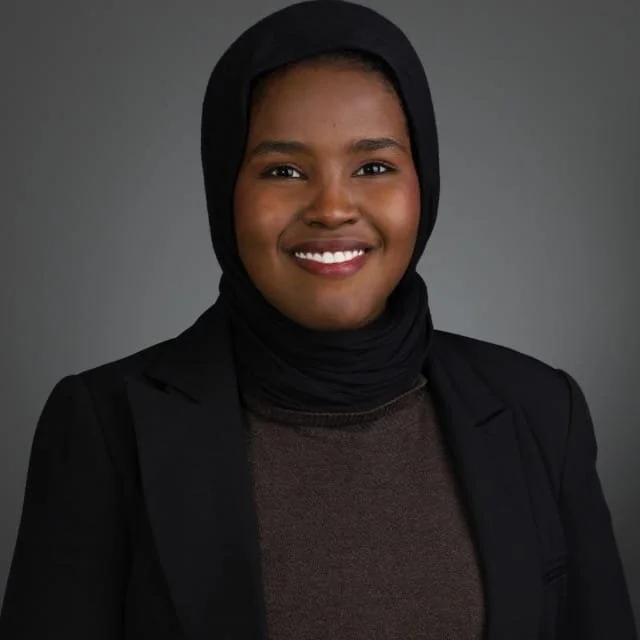
Asha Jama
University of Alberta
-
My name is Asha Jama, a third-year nursing student at the University of Alberta. I began my governance journey representing my faculty on the General Faculties Council, the university's highest governance body. This experience introduced me to decision-making, policy development, and student representation. I serve as the Faculty of Nursing Student Councillor at the Students' Union and sit on multiple committees including the finance comittee managing 14 million.
My leadership extends into research and community initiatives. As a research assistant at the University of Alberta Sexual Assault Centre, I identified gaps in care access for marginalized communities and addressed concerns about the exploitation of international students. I researched technology-facilitated gender-based violence and presented a report as a delegate at the Commission on the Status of Women at the United Nations, co-leading a side event on this issue. Recently, I focused on Black maternal health research, where Black women are up to three times more likely to experience maternal mortality. I presented this research to Canada's Minister of Health, advocating for improved race-based data collection and policy reform.
As President of WorldVision, I led advocacy and fundraising initiatives, raising over $10,000 and supporting Bill S-211 on forced and child labor in supply chains. I am the Co-Founder of UBORA Women's Initiative, a nonprofit advancing leadership among Black women. Through UBORA, we have secured multiple grants, hosted a national leadership summit, and received CBC News coverage. My leadership and advocacy have raised and managed over $50,000 and impacted thousands of young people across Canada.
My interest in serving as President stems from my commitment to creating functional leadership. My skills and experiences have shaped my leadership approach and inspired me to run for this role, as I am prepared to serve nursing students at both institutional and national levels. -
My leadership philosophy is rooted in the belief that organizational leadership begins with strong systems. I believe that effective leadership requires structure, clarity, and alignment, especially within student-run organizations where capacity and time are limited. As President, I would prioritize having clear and organized terms of reference for each committee, ensuring that every executive and board member understands their responsibilities, scope of work, and goals.
I strongly believe in setting defined, measurable goals and ensuring that priorities are reviewed consistently, monthly, at every meeting, and quarterly, so that progress is intentional rather than reactive. This also means ensuring that executive members and board directors have the tools and resources they need to succeed, rather than being expected to navigate unclear expectations.
I believe leadership must be collaborative and relational. I am committed to listening to my executive team and working alongside them, not only focusing on productivity, but also creating a culture of respect and psychological safety. In meetings, I believe everyone should have the opportunity to contribute. I value structured facilitation methods, including Robert’s Rules of Order, as a way to ensure fairness, order, and equitable participation.
Accountability is central to my leadership. I hold myself accountable to my goals and to the people I serve. I believe in a non-hierarchical leadership model, where board members are collaborators rather than subordinates. My leadership is both transformational and visionary. Inspired by the concept of “collective genius,” my role as a leader is to bridge the talents, perspectives, and skills of my team, create meaningful partnerships, and turn teams into trusted collaborators. When people feel respected, connected, and accountable to one another, they are more willing to do the difficult work required to achieve meaningful outcomes. This is the culture I aim to cultivate within the CNSA Board. -
Having worked within large organizations with significant bureaucracy, I understand how limited capacity; whether financial, volunteer-based, or time-related, can restrict what is realistically achievable. Because of this, I believe that clear strategic priorities are essential.
My primary focus would be on building an organization that is accountable, transparent, and genuinely responsive to its membership. This includes improving how CNSA communicates with students and chapter members, such as sharing meeting notes publicly, clearly documenting decisions, and providing accessible explanations of structural or governance changes. As a national organization representing nursing students, CNSA has a responsibility to ensure members understand what work is being done on their behalf.
Transparency around finances is also a major priority. Chapter members deserve to know how funds are allocated and how financial decisions align with organizational priorities. Creating accessible financial summaries and opportunities for member feedback would be a key part of my approach.
Another priority would be strengthening and expanding partnerships with organizations such as CNA, CASN, CANE, UNA-Canada, and other national and equity-focused organizations, as well as government stakeholders and Chief Nursing Officers across provinces. Nursing students must be consulted in decisions affecting education, workforce conditions, and student support, particularly at a time when the profession faces increasing pressure.
Given capacity constraints, I would deprioritize initiatives that lack clear outcomes, duplicate existing work, or stretch volunteers thin without meaningful impact. Rather than expanding the number of initiatives, I would focus on deepening and sustaining existing work, scaling what already exists, and ensuring long-term impact. My goal is to leave CNSA more transparent, accountable, and structurally strong than I found it. -
I believe a strong leader understands how to manage challenges and engage in thoughtful damage control. In any organization, even with detailed planning and strong execution, things can go wrong, whether due to external factors, miscommunication, or unforeseen barriers.
I draw from personal experience organizing a large conference for nearly 100 participants, where our hotel cancelled our booking at the last minute with no alternative options. In that situation, we could have cancelled the event entirely, but instead, we focused on solutions, secured a new venue on short notice, and delivered the event successfully. That experience reinforced for me that leadership is about problem-solving, adaptability, and maintaining trust, rather than assigning blame.
If a public-facing CNSA initiative received criticism, my immediate response would be transparent communication. This includes acknowledging concerns, clarifying what went wrong, and providing timely updates to members and stakeholders. Avoiding defensiveness and centering accountability is critical. Inspired by the words of Florence Nightingale, “Leadership is not about being in charge. It is about caring for those in your charge,” I hope to bring this vision to the CNSA by ensuring that student trust, wellbeing, and voice are always prioritized over personal ego or image.
If necessary, I would support issuing a public apology. I believe personal ego should never interfere with serving students. In the longer term, I would initiate an internal review to identify gaps in planning, consultation, or execution, and ensure that lessons learned translate into structural improvements. Restoring trust requires not only words, but visible changes in process and accountability. -
I believe delivering meaningful results requires strong collaboration, especially when representing students at national or international tables where the stakes are high. To guide collaboration, I would draw on frameworks such as the GRPI Model, which emphasizes shared goals, clear roles, defined processes, and strong interpersonal relationships.
As President, I would work closely with the Board of Directors, Official and Associate Delegates, and general members to ensure alignment while respecting regional diversity. Clear role definitions and communication processes are essential to avoid miscommunication, which is often the greatest barrier to effective collaboration.
I would also implement structured collaborative tools, such as shared project management platforms, to enhance transparency and continuity. These tools help teams track progress, reduce duplication, and ensure institutional memory across leadership transitions.
Equally important is relationship-building. Trust allows for honest dialogue, mutual influence, and shared commitment. Only when people feel genuinely connected are they willing to engage in the difficult conversations required to represent diverse perspectives effectively. My goal would be to ensure nursing students’ voices are accurately and meaningfully represented while balancing regional realities and shared national priorities. -
As a nursing student with extensive leadership responsibilities, I have developed strong time management practices through experience managing high-intensity commitments. I have balanced governance roles, research fellowships, executive leadership positions, and academic responsibilities simultaneously, which has taught me the importance of organization and realistic planning.
I rely on digital tools such as Notion and Trello to manage academic work, personal commitments, and leadership responsibilities. I also hold myself to high communication standards, responding to emails and messages promptly, often within hours and no later than 24 hours, because timely communication is essential for effective governance.
I plan to dedicate three to six hours weekly to CNSA coordination work outside of meetings, in addition to preparation and follow-up. I also believe sustainability is not only about individual effort but about building systems that support the entire team. By strengthening internal structures, clarifying responsibilities, and improving workflows, I aim to ensure continuity, shared accountability, and long-term organizational health throughout my term.