
Vice-President Candidates

Brooklynn Bellisle
University of Alberta
-
My name is Brooklynn Bellisle, and I am a third-year Bilingual Nursing student at the University of Alberta. My leadership approach is grounded in leading by example, being supportive, and fostering strong connections within a team. I strive to ensure that those I work with feel fully supported, heard, and confident knowing I am always available to assist them both professionally and personally.
I have been involved in leadership roles since middle school, experiences that have evolved into positions such as serving on my town’s Economic Development and Tourism Committee, acting as Western Regional Director (WRD) of the Canadian Nursing Students’ Association (CNSA), and serving as co-president of my university nursing student association. Through these roles, I have developed strong professional communication skills, effective conflict resolution abilities, and a deep appreciation for the importance of listening to truly understand diverse perspectives. My advocacy skills have grown significantly, and I am confident in my ability to analyze and navigate complex situations.
My experience as WRD further strengthened my ability to organize and lead meetings using Bourinot's Rules of Order and contributing to projects such as developing bylaws, policies, and procedures, and strategic plan while managing my role's responsibilities effectively. Over the past year, my time management skills have improved considerably, allowing me to balance leadership, academics, and personal commitments. I am deeply passionate about student leadership and advocacy, value teamwork, and believe that one person can make an immense impact in the lives of others. I would be honoured to continue serving with the CNSA and contributing to a future where nursing students are well-supported, empowered, and better equipped for their profession as the Vice president. -
Stepping into the President’s role unexpectedly mid-term would be a complex transition, as priorities would depend heavily on the current focus of the Board of Directors and the immediate needs of the team. My first priority in the initial 30–60 days would be to ensure stability, clear communication, and continuity across the organization.
I would begin by communicating directly with the Executive Committee, followed by the full Board of Directors, to acknowledge the transition, reaffirm my commitment to supporting them, and outline next steps. I would offer an opportunity for the Board to meet collectively, creating space for open discussions, questions, and reassurance that I remain accessible and committed to helping each member succeed in their role.
Following internal communication, I would reach out to CNSA chapter schools, Friends of CNSA, and external partner organizations to inform them of the transition, maintain transparency, and address any questions or concerns. Ensuring these stakeholders feel confident in the continuity and professionalism of CNSA would be a key priority.
To gain a comprehensive understanding of ongoing initiatives, I would host one-on-one check-in meetings with each Board member to learn about their current projects, challenges, and support needs. I would also review the organization’s budget and financial standing to ensure fiscal responsibility and continuity, while confirming that all team goals and priorities remain aligned with the CNSA strategic plan. Given the timing of the transition, I would connect with the National Conference Coordinator to confirm that conference planning was on track and appropriately resourced.
To support continuity and organization, I would develop a comprehensive, shared to-do list integrated into my Google Calendar and transition the team to a shared platform such as Google Keep, allowing for transparency, accountability, and timely completion of tasks. I would also review the President’s inbox to ensure all correspondence had been addressed appropriately, maintaining CNSA’s reputation as a professional and reliable organization. -
Planning and executing National Nursing Students Week (NNSW) requires early preparation, clear coordination, and strong communication. I would begin planning well in advance, as providing organizations and students with ample notice. Early planning also allows sufficient time to secure partners, confirm deliverables, and align expectations across stakeholders.
I would assemble a small working group from the Board of Directors to support planning and execution. This team-based approach would allow us to brainstorm ideas, divide responsibilities evenly, and maintain accountability. To ensure NNSW reflects student interests, I would distribute a survey to nursing students to gather input on themes, activities, and preferred formats. These responses would guide the overall direction of the week.
Using this input, I would create a detailed project timeline with clear milestones, ensuring that all programming and promotional materials are finalized at least three weeks in advance, recognizing that many schools require this notice to participate effectively. I would continue the tradition of collaborating with nursing organizations by requesting messages or short videos to be shared on CNSA’s social media platforms.
I would ensure to review the budget early, ensuring activities are cost-effective and aligned with CNSA’s financial capacity, while aiming to continue traditions such as scholarships if feasible. To maximize accessibility, I would prioritize virtual sessions while providing a toolkit of optional activities that chapter schools could run individually.
Risk management would be built into the planning process by selecting inclusive, low-cost activities with low risk of failure and developing contingency plans, such as backup speakers or alternative activities. Following NNSW, I would conduct a post-event evaluation through feedback surveys to assess impact and identify areas for improvement, supporting continuous growth and future planning. -
Supporting strong governance practices and operational continuity across the CNSA Board of Directors begins with ensuring that all Board members have a clear, shared understanding of the organization’s governing framework. Although I have previously assisted in rewriting CNSA’s governing documents, I would make it a priority to thoroughly review them again and create concise summaries of the most frequently referenced sections to support day-to-day decision-making. I would share a PDF of all key governance documents and add them in a shared folder for easy access, by board members while also ensuring the most up-to-date versions are available on the CNSA website.
To further strengthen governance capacity, I would support Board members with their understanding and application of Bourinot’s Rules of Order by hosting a training session or creating an accessible educational video. This would help ensure meetings are conducted consistently, efficiently, and in alignment with best governance practices.
Mentorship and ongoing support are essential for Board success. I would conduct structured one-on-one check-in meetings with Board members every 4–6 months to ensure they feel confident in their role, understand expectations, and have the support they need to succeed. I would ensure all BOD members had access to transition documents and hopefully a transition meeting to assist them with their understanding of the role and responsibilities.
I believe creating an open and safe environment is key to strong leadership and governance. I would encourage questions, provide informal check-ins, and remain approachable to ensure Board members feel comfortable seeking guidance. For Regional Directors, I would offer to attend their regional meetings, particularly early in their term. (I understand how challenging and intimidating stepping into these roles can be.)
By combining clear governance structures, accessible resources, consistent mentorship, and a supportive leadership style, I would work to ensure strong governance practices and operational continuity while empowering each Board member to thrive in their role. -
If I observed a Board member consistently missing deadlines and contributing unevenly, my first priority would be to address the situation early and respectfully to prevent further impact on team morale and organizational effectiveness. I would begin by reaching out via email to check in and ask if they would be available for a one-on-one meeting.
I would approach this conversation with empathy, kindness, and respect, recognizing that there may be personal circumstances, role confusion, or capacity challenges contributing to the situation. Creating a safe space for open dialogue would allow the Board member to share any obstacles they are facing, which would help me better understand how to support them effectively.
If the challenges were related to organization or workload management, I would work collaboratively to identify practical solutions, such as implementing calendar reminders, shared deadlines through Google Calendar, or clearer task breakdowns. My goal would be to provide tools and structure that support their success while reinforcing expectations.
At the same time, I believe accountability is essential in leadership roles. If appropriate, I would gently remind the Board member that they were elected because students placed their trust in them and that their contributions are valuable and impactful to both the team and the broader CNSA membership.
By balancing compassion with clear expectations and offering concrete support, I would aim to uphold collegiality, maintain team morale, and ensure the Board continues to function effectively and responsibly.
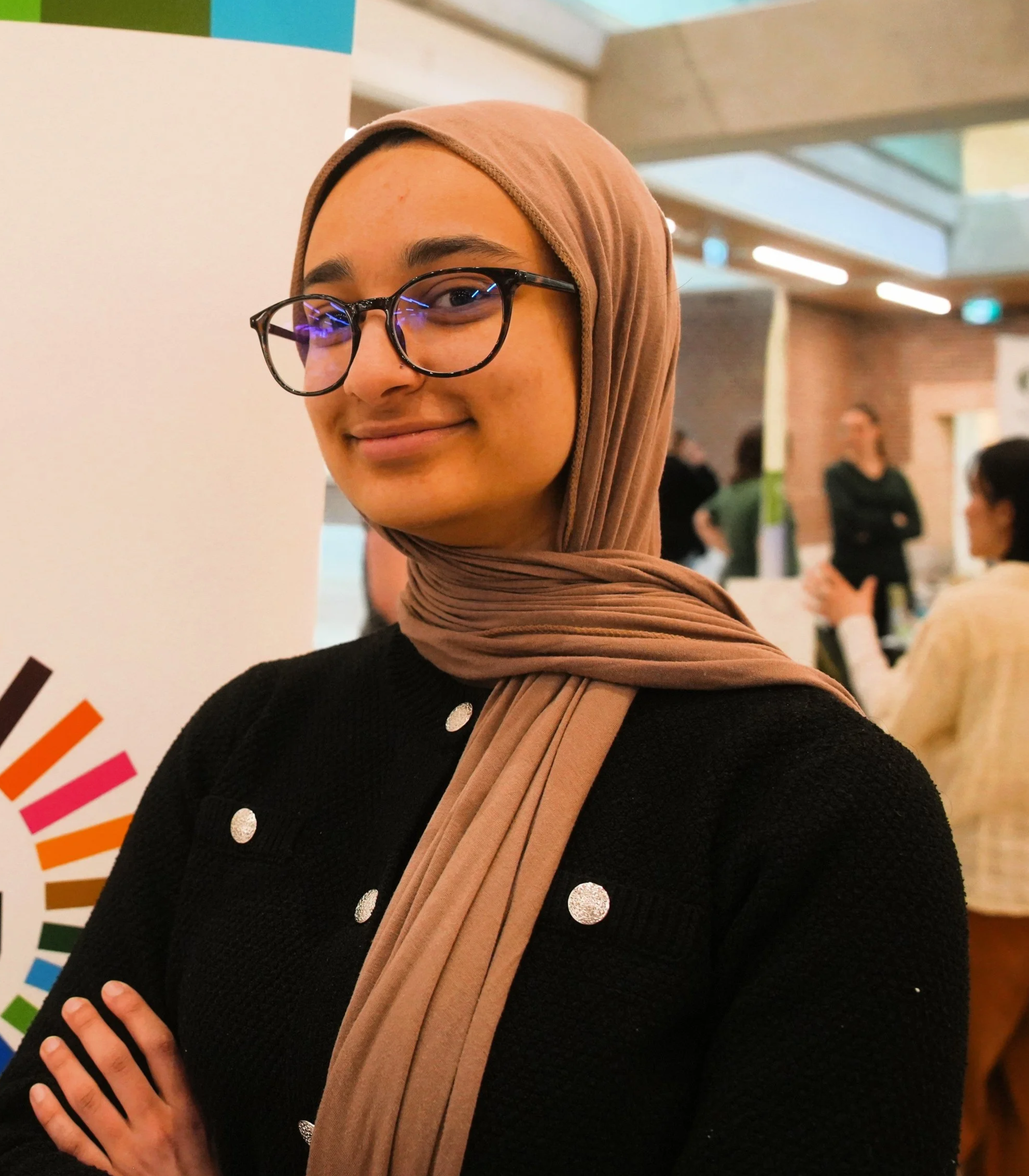
Farah Elgaweesh
University of Alberta
-
My name is Farah, and I am a third-year nursing honours student at the University of Alberta. I have served as a research assistant for over 3 years focusing on nursing informatics and leadership in nursing. Outside of school, I enjoy landscape and street photography. I have a passion for student leadership and advocacy, serving as the Third Year Class Representative of the Nursing Undergraduate Association, President of the Health Sciences Students' Association (HSSA), and co-founder and President of the Sustainable Development Goals Students' Alliance (SDGSA).
At the HSSA, I created opportunities for health sciences students to unify their asks and voice their concerns directly to the Students' Union and higher leadership. I advocate for direct representation and collaborative advocacy. In launching a strategic interdisciplinary student survey, I developed a progress report for the University of Alberta College of Health Sciences on the safety, mental health, and financial concerns of students. Taking this project one step beyond to address students' concerns, I formulated the results in a guidebook that connects students to resources and empowers them to take action.
This project taught me valuable leadership skills, including how to voice my perspectives convincingly, stand up for my values, and delegate tasks collaboratively. When I co-founded the SDGSA, I centred my leadership around facilitating the longevity of the organization by creating trusting relationships and a safe space for team members to share their perspectives in event planning and partnerships. My leadership approach is inspired by the transformational leadership model, motivating my team to exceed their potential through individualized consideration, mentorship, and a shared vision. I emphasize building trust, support, and clarity with team members, and I advocate for using timelines to monitor plans. I aim to create a shared calendar amongst the Board of Directors to encourage interdisciplinary collaboration on projects. -
In this situation, my main priority would be governance continuity and stability. Being proactive before this situation arises is key to quality leadership during this period. Through establishing and maintaining strong communication with the president throughout the term and building a trusting relationship, I would have a strong idea of how our team functions and what each member is working on and needs support with, so that when I step in, I would be able to perform my best. I like to follow the nursing model of ADPIE in situations where there is a change. Serving as a research assistant for three different faculties at the University of Alberta, my research taught me me the ability to conduct a community scan or it is particularly important that I first assess the situation. I would do that through setting up meetings with individual board members to review their objectives, active initiatives, and upcoming deliverables. Not only does that allow me to collect information to support my team, but it also fosters a collaborative connection with them, which I believe is important in performing high-quality work and increasing team morales. Then, I would diagnose the situation to analyze inefficiencies or gaps. This would allow me to plan collaboratively with the rest of the board for how we can address these gaps. I want to emphasize that communication with the board is integral because of my value of transparency and accountability. This would allow us to collectively achieve a decision on what interventions we want to perform. Overall, I believe that planning and discussing the situation with my team would be the primary first step. While I know when to step in and take lead, I think leading through empowerment of the team and involving the different perspectives is preferable when time and resources allow.
-
Several months before National Nursing Students Week, I will share a survey poll with event ideas from our chapter schools and partner organizations. One idea is an interdisciplinary national webinar featuring healthcare professionals discussing the collective future of healthcare and current concerns. I would invite members of parliament and other organizations to create a forum for students to voice their perspectives. Another idea is a virtual "speed-friending" event for nursing students across the country to build connections. Additionally, I propose a virtual webinar on planetary health. As the Environmental Students Advocate, I have partnered with organizations like the Canadian Association of Nurses for the Environment (CANE) and the Canadian Association of Pharmacy for the Environment (CAPhE), as well as researchers from various universities in Canada who study planetary health. I aim to leverage these connections to raise awareness about this important topic. I will also incorporate feedback from last year's NNSW evaluation. I have previously led successful community and campus events with Action for Healthy Communities and in other capacities. I learned the importance of starting early to make time for relationship building and the inclusion of diverse perspectives. I will create a detailed month-by-month work plan outlining deliverables, deadlines, and responsible leads. Tasks will be assigned based on Board members' strengths, with clear expectations communicated upfront. To support collaboration, I will encourage cross-Board coordination and maintain regular check-ins to monitor progress and address challenges. During NNSW, I will oversee execution through scheduled updates and contingency planning. Risks such as low engagement, speaker cancellations, or technical issues will be managed with backup speakers, flexible programming, and early confirmation of logistics. Following NNSW, I would coordinate a national evaluation process using surveys and engagement metrics. This feedback would be documented and shared with future Boards to support continuous improvement.
-
When I started my Environmental Sustainability role on the CNSA this term, I appreciated the other board members who oriented me and answered my questions. I learned the importance of creating a welcoming, safe space for fellow team members to thrive. The check-ins from my team members gave me the confidence to act effectively in my role. This is what I hope to expand on in terms of mentorship. Mentorship is a two-way communication process. In my years as a research assistant, I mentored younger students at the beginning of their journeys. I learned never to assume what my mentee knows and to be clear about expectations to avoid confusion later. I will achieve this by setting up one-on-one meetings with each board director at the beginning of the term to ensure clear expectations are communicated. Fostering trusting relationships is critical in encouraging them to reach out to me with questions or concerns. Increasing team morale is linked to increased motivation and satisfaction, which helps reduce turnover and ensure continuity of leadership. I will also proactively reach out to board members every few months to check in individually. Through mentorship, I hope the other team members can develop professionally to prepare for higher roles as nursing leaders. I believe the board members have valuable feedback and perspectives to share with me. Maintaining an open perspective and being flexible in tackling problems is crucial. Additionally, I want to establish a two-way communication system between the board of directors and chapter school leads, in collaboration with regional directors, through Slack channels or another preferred method. Involving chapter schools more with CNSA initiatives and advocacy is vital for unifying nursing students' voices and strengthening our profession's future. This will also enhance networking among local leaders, an important aspect of mentorship.
-
As Vice President, I would approach this situation through a transformational leadership lens by balancing empathy, accountability, and a shared commitment to our organizational mission. Recognizing that missed deadlines and uneven contributions can stem from competing demands, I would first meet privately with the Board member to better understand their circumstances, avoiding assumptions and fostering a respectful, non-judgmental dialogue. Through listening openly and empathetically, especially if they are going through a challenging time, I like to encourage honesty and clarity about boundaries, work, and timelines. I believe that aligning individual responsibilities with a shared vision is essential for sustaining motivation and team morale. I would clearly communicate the impact of missed deadlines on the team and the organization, emphasizing our collective responsibility and the importance of accountability in effective governance. If workload or capacity becomes a concern, I would collaborate with the team to explore strategies such as reprioritization, role clarification, or redistributing responsibilities. This approach ensures that expectations remain realistic and transparent. Their response would determine how I respond and act. For example, if they have a lot on their plate, I will encourage them to create a long list of activities that they are engaged in and to reprioritize based on the amount of time that they have available. By co-developing a concrete plan with clear timelines and follow-up, I would support the Board member’s growth and reprioritization. It is important to acknowledge their perspectives and experiences as consultation are fundamental to effective governance. Ultimately, this approach reflects my belief that healthy dialogue, mutual respect, and shared ownership are central to transformational leadership and to fostering a high-performing, resilient team.